losing weight causes hair loss Hair loss and hormonal imbalance in women
There are many factors that can contribute to hair loss, and understanding the causes is essential for finding appropriate solutions. In this post, we will explore some common causes of hair loss and discuss how they can be addressed.
What Causes Hair Loss?
One possible cause of hair loss is genetic predisposition. This means that hair loss runs in the family and can be passed down from one generation to the next. If you have close relatives who are experiencing hair loss, it is more likely that you will also experience it at some point in your life.
Another common cause of hair loss is hormonal changes. Hormones play a crucial role in regulating the hair growth cycle, and any imbalance can lead to hair loss. For example, in both men and women, the hormone dihydrotestosterone (DHT) can cause hair follicles to shrink, leading to thinner and weaker hair.
In addition to genetic and hormonal factors, certain medical conditions can also cause hair loss. Conditions such as hypothyroidism, scalp infections, and autoimmune disorders can all contribute to hair loss. Treating the underlying medical condition is key to addressing the hair loss.
Another factor to consider is nutritional deficiencies. Inadequate intake of essential nutrients, such as iron, zinc, and vitamins, can weaken the hair and lead to excessive shedding. It is important to maintain a balanced diet to ensure that your body receives all the necessary nutrients for healthy hair growth.
Addressing Hair Loss
If you are experiencing hair loss, there are several steps you can take to address the issue. First, it is important to consult a healthcare professional or a dermatologist specializing in hair loss. They can evaluate your condition and provide personalized recommendations.
One commonly recommended treatment for hair loss is topical solutions or medications that contain minoxidil. Minoxidil works by stimulating hair follicles and promoting hair growth. It is available over-the-counter and can be applied directly to the scalp.
In some cases, oral medications may be prescribed to address underlying hormonal imbalances that contribute to hair loss. These medications work by blocking the production or effects of DHT, thereby helping to maintain hair growth.
In addition to medical interventions, adopting a healthy lifestyle can also help in preventing or reducing hair loss. Regular exercise, stress management techniques, and a balanced diet can all contribute to maintaining healthy hair.
Conclusion
Hair loss can have a significant impact on one’s self-esteem and confidence. Understanding the causes behind hair loss is crucial for finding appropriate solutions. Genetic predisposition, hormonal changes, medical conditions, and nutritional deficiencies are all potential factors that can contribute to hair loss. By consulting with a healthcare professional, exploring available treatment options, and adopting a healthy lifestyle, individuals can effectively address hair loss and promote healthy hair growth.
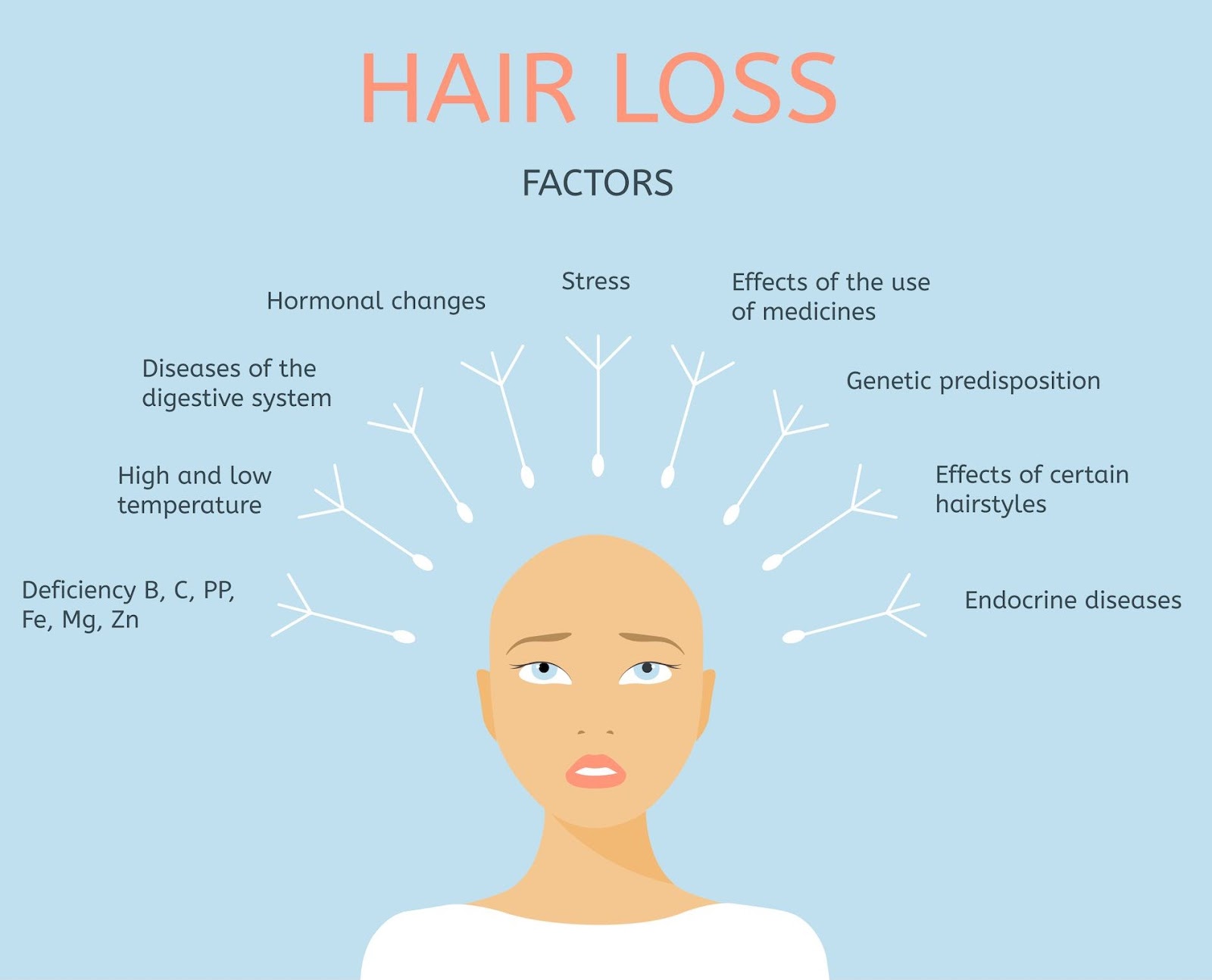 Image source: here
Losing Weight and Hair Loss
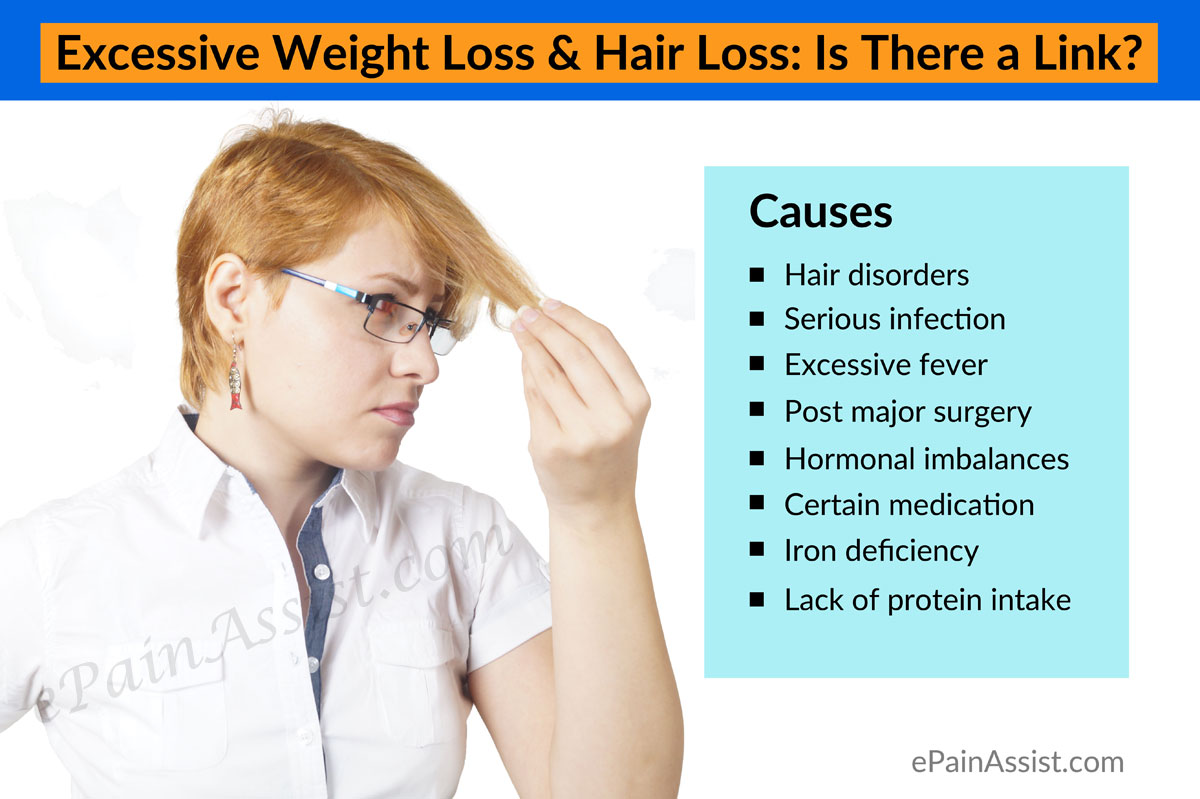
While hair loss can have various causes, one particular factor that may surprise you is weight loss. Losing weight suddenly or following a strict diet can lead to hair loss, and there are a few reasons why this happens.
Firstly, when the body is subjected to sudden weight loss or nutrient deficiencies due to a restrictive diet, it can often prioritize vital organs over hair follicles. As a result, the hair growth cycle can be disrupted, leading to increased hair shedding.
Additionally, when the body undergoes rapid weight loss, it can experience a period of physiological stress. This stress, combined with nutrient deficiencies, can contribute to hair loss.
Moreover, drastic weight loss can also lead to hormonal imbalances, such as decreased estrogen levels in women. Hormonal changes have a significant impact on the hair growth cycle and can contribute to hair loss.
It is important to note that, in most cases, hair loss caused by weight loss is temporary and the hair will regrow once the body has adjusted to the new weight and nutritional status. However, it is essential to address any underlying nutrient deficiencies and ensure a balanced diet to support healthy hair growth.

Conclusion
While losing weight can have many health benefits, it is important to be aware of the potential impact on hair health. Sudden weight loss, restrictive diets, and nutritional deficiencies can all contribute to hair loss. However, by adopting a balanced and sustainable approach to weight loss, addressing nutrient deficiencies, and ensuring proper hair care, individuals can minimize the risk of hair loss and promote healthy hair growth.
If you are looking for Excessive Weight Loss & Hair Loss: Is There a Link? you’ve visit to the right place. We have 5 Pics about Excessive Weight Loss & Hair Loss: Is There a Link? like Losing Weight Causes Hair Loss | BMI Formula, Excessive Weight Loss & Hair Loss: Is There a Link? and also Hair Loss and Hormonal Imbalance in Women | BeautyOnFleeck. Read more:
Excessive Weight Loss & Hair Loss: Is There A Link?
 www.epainassist.comloss hair weight excessive causes link there fall reasons scalp dieting body epainassist advertisement due choose board
Losing Weight Causes Hair Loss | BMI Formula
bmiformulame.blogspot.comHair Loss And Hormonal Imbalance In Women | BeautyOnFleeck
 www.beautyonfleeck.comhair loss hormonal types imbalance
What Are Causes For Hair-loss?
preventionofhairfall.blogspot.comcausing internal
Losing Hair Life Never Before? These 4 Hair Loss Treatments Can Help
 www.onlymyhealth.comtreatments unacceptable baldness
Excessive weight loss & hair loss: is there a link?. Hair loss hormonal types imbalance. Losing hair life never before? these 4 hair loss treatments can help